
Push notifications can keep mobile users aware of changing schedules, live statuses, technical interruptions, and account activity. Their value disappears when every update is treated as urgent. A phone that lights up repeatedly during the day turns a useful communication channel into a source of interruption.
People searching for a mobile route to an online gaming platform may encounter the phrase desi apk while comparing access options. Before enabling alerts, users should be able to see what each notification category covers and how often messages may arrive. A well-planned system delivers information that affects the next action without repeatedly pulling attention back to the app.
Every Alert Should Have a Defined Purpose
A notification deserves space on the lock screen when the information has immediate practical value. A changed event time, confirmed result, temporary service interruption, or security warning can affect what the user needs to do next. General recommendations and routine content updates rarely require the same level of visibility.
Problems begin when a platform sends alerts mainly to encourage another visit. Messages such as “Something is waiting” provide no useful context. The recipient must open the app before learning whether the update matters. Repeating this approach teaches people to ignore future notifications or disable them completely.
Before sending an alert, the platform should determine what changed, who needs to know, and whether the message requires action. Information that can wait should remain in the app, where users can review it when they choose.
One Message Should Explain One Change
A strong push notification can be understood without opening the application. It identifies the relevant event or account area, states the current status, and explains the next available step when one exists.
Mobile alerts have limited space, so every word needs a clear function. The opening phrase should identify the subject rather than create suspense. The following text should communicate the update in plain terms. A tap can then lead directly to the relevant screen instead of opening a generic homepage.
Useful notification content may include:
- A revised event time with the updated schedule.
- A confirmed result linked to the completed event.
- A temporary interruption with the current service status.
- An account access warning with a direct security action.
- A reminder selected by the user for a specific category.
Each message should represent new information. Sending several alerts that repeat the same status adds interruption without helping the recipient understand more.
Timing Determines Whether an Alert Feels Helpful
Even a well-written notification can arrive at the wrong moment. A result alert sent long after the event may no longer be useful. A promotional message delivered late at night may feel intrusive regardless of its wording.
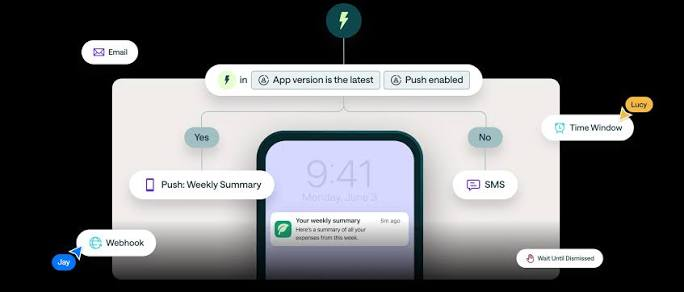
Live updates and routine messages need different delivery rules. A verified schedule change may require fast communication. A weekly summary can wait until a suitable daytime period. Platforms should also avoid sending several closely related updates when one combined message would provide the same value.
Duplicate alerts create a wider problem. When users see repeated messages about the same subject, they begin reading them as background activity. That habit can cause a later security or service notification to receive less attention.
Slot Desi and similar platforms can reduce this effect by assigning priority levels to different message types. Account warnings and current service changes should remain separate from general content suggestions. Delivery should reflect the consequence of missing the information, not the desire to increase app openings.
Users Need More Than One Notification Switch
A single setting labeled “Allow notifications” gives users a poor choice. They must either accept every category or block all communication. More precise controls let people keep useful alerts while removing those that do not match their interests.
Settings can separate account security, technical notices, live updates, final results, reminders, and promotional content. Users should also be able to follow selected events instead of receiving updates from every section of the platform.
Quiet hours provide another practical layer. They allow non-urgent notifications to wait until a chosen time while account warnings remain available. A temporary mute option can also help during work, travel, or any period when the user does not want interruptions.
These controls should be easy to find inside the account area. Hiding them behind several menus creates frustration and encourages people to use the phone’s system settings to block the app entirely.
Active Sessions Need In App Updates Instead
A user who is already inside the application does not need a phone notification about the same screen. The update can appear through a compact banner, badge, or status line within the interface.
In-app communication should preserve the user’s position. A message about a changed status should not cover the main controls, reset scrolling, or force the person into another section. Additional details can open after a deliberate tap.
This approach also prevents duplication. Without session awareness, the platform may display an in-app update and send an external alert at the same time. The result is two interruptions for one piece of information.
Slot Desi can treat push notifications as a channel for reaching users outside the platform, while in-app messages handle changes during an active visit. Clear separation keeps communication relevant to the user’s current context.
Attention Is Part of the User Experience
The success of a notification system should not be measured only by how many people reopen the app. A message can generate a tap while still weakening the wider experience. Frequent interruptions may increase short visits for a time, but they also encourage notification fatigue and removal of permissions.
Better measurements include the number of users who keep selected alerts enabled, the rate of immediate dismissals, category-level opt-outs, and whether the destination screen matches the message. These signals show whether alerts provide lasting value.
A useful push notification respects the session that may already be happening elsewhere. It communicates a specific change, arrives at an appropriate time, and allows the recipient to decide what happens next. When platforms follow these principles, alerts become a dependable information tool rather than a repeated demand for attention.
